Dashboard warning lights are always stressful, as they indicate an underlying issue with the Battery or Alternator. Both perform the same function, so it's difficult to diagnose which one is causing the problem. Red battery lights indicate a problem with the Battery or the Alternator. Keenly observing the car as you start the engine can help you identify potential issues.
Sign of Bad Battery
Different reasons drain the battery. Leaving the lights on also drains the battery. Usually, the battery has a lifespan of 3 to 5 years, after which it needs to be replaced. Observe the sign given below. If the battery shows one of the following, it has a fault.
- A cranky sound
- Swollen or crooked battery
- Age
- The engine won't start
- Sulphur-like smell
- Dim dash lights / Dim headlights
- When you start an engine, it may not begin or take longer to start, but it will produce a ticking or clicking sound.
- Excessive heat causes the battery to swell. If you have been using the battery for more than 4 years, then it has reached its expiration date.
- A strong sulphur or rotten-egg smell indicates a leaking battery. Dashboard lights or headlights flicker and dim when the engine starts.
Common Causes of Battery Failure
Even with great care, the battery begins to show signs of wear. Below are some common causes of battery failure.
- Bad weather: Extreme weather conditions are detrimental to batteries. Extreme heat causes the fluid to evaporate quickly. Colder weather slows the reaction process inside the battery. Therefore, the battery does not receive enough power in extreme weather conditions.
- Old Age: Battery age also affects its smooth operation. After a lifespan of 3-4 years, a battery is unable to hold a charge significantly and needs a car battery replacement.
- Corrosion on Terminals: If the battery terminals are corroded and dirty, the battery will be unable to hold a charge and may not start, leaving you stranded on the road.
- Frequent Short Trips: When a car is used for short trips, the alternator does not get enough time to charge the battery.
- Long Periods Without Driving: When a car sits in a garage for an extended period, its battery weakens.
- Electrical Systems: When your car is off, some electrical systems continue to draw power from the battery, such as the radio, locks, and windows. It automatically drains the battery.
Tips to maintain the battery
- Drive regularly and avoid using a car for shorter trips. Let the battery charge.
- Replace the battery before it runs out of power.
- Keep the battery terminals clean and free from corrosion.
- Avoid leaving the electronics on when the car engine is off.
- Ensure the battery is properly insulated in extreme weather conditions.
Sign for Bad Alternator
A few signs may indicate a fault with the alternator. We have discussed some of them below.
- Battery warning lights on the dashboard. Red battery lights start appearing on the dashboard, and Alt/Gen is also showing on the screen. These lights indicate faults in the electrical system, including those related to the alternator. A specific voltage is needed for the alternator to work. If the voltage drops or exceeds that limit, the battery starts showing lights.
- The car starts but stalls. If the engine struggles to start or stalls, it usually indicates an issue with the alternator that is not receiving enough power to charge the battery.
- Burning Smell. The engine starts making some odd sounds, such as whining or growling. It suggests that the belt or alternator may be worn out. Due to friction, the alternator belt starts emitting a foul, rotten-egg smell.
- Dead Battery. If the car battery is dead even after a jump start, it may indicate that the alternator is not working correctly and is not supplying enough power to the engine. A malfunctioning alternator can cause the charge to deplete faster than usual.
- Dim lights. Headlights start flickering or dimming. Sometimes the lights were bright, and at other times, they were dim.
- Problem with the Electronic System of the Car. Sometimes, if the electronic equipment is not working or taking longer than usual to work, then it may indicate that the alternator is malfunctioning.
Common Causes of Alternator Failure
Below are some common causes
- Damaged bearings: If the bearings are damaged, the alternator can't generate enough power required for the engine to work.
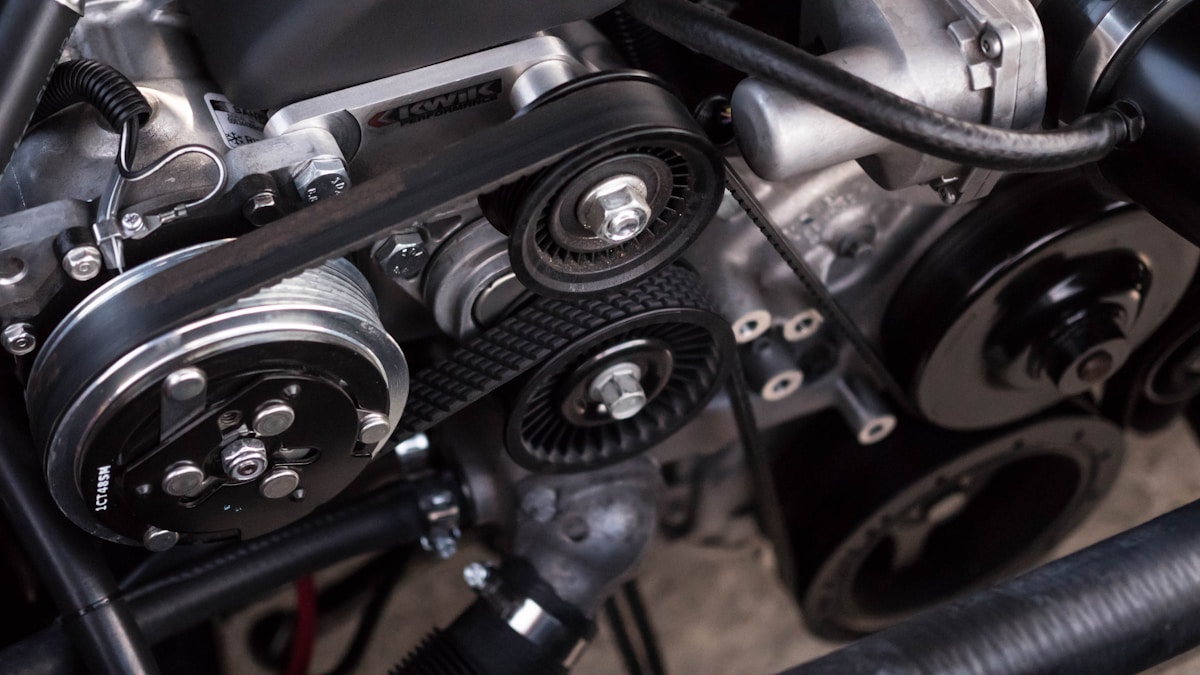
- Worn or slippery belts: Similarly, if the belts connected to the engine wear out or slip, then the alternator cannot supply power efficiently.
- Electrical Faults
- Fluid leaks into the alternator: Sometimes, due to weather conditions, the fluid contaminates the alternator, causing damage to its parts.
- Long-Term Wear from Mileage: High mileage is also one of the reasons the alternator stops working.
Tips To Maintain the Alternator
- Replace belts on time.
- Regularly check for oil and coolant leaks.
- Avoid overloading Electronic Accessories.
- Frequently check the charging systems.
Battery or Alternator? Which one is the problem
Checklist test
Jumpstart:
- If the car starts after being jump-started, then there is an issue with the battery.
- If the car battery dies shortly after a jump start, then there is an issue with the alternator.
Voltage Test:
- Using a multimeter, the battery reads 12 V. 12.7 When the engine is off, there is an issue with the battery.
- When the engine is on, the battery can read a voltage of 13.7-14.7. Low voltage can indicate a fault in an alternator.
Cost: Battery Vs Alternator
- Car Battery Replacement: £100-£250
- Jumpstart Service: £70-£100, depending on location.
- Alternator Replacement: £150-£250
FAQS
How long should a battery last?
Up to 3-5 years.
Can Cold Weather Kill a Battery?
Yes, extreme weather conditions can affect the battery.
How do I check Battery Health?
Using a multimeter, you can check the condition of your battery.